Museum · Duruitoarea Veche
The Paleontology Museum in Duruitoarea Veche
A village of a few hundred people keeps a museum in which almost everything in the cases came out of the hill next door. There are mammoth and cave bear bones, potsherds six thousand years old and icons painted on glass by the village children, all under the roof of an old school building.
In short
- The village museum opened in 2010 and was extended in 2017, through a project funded by the European Union, into the Duruitoarea Veche museum complex: the museum, the cave and the gorge.
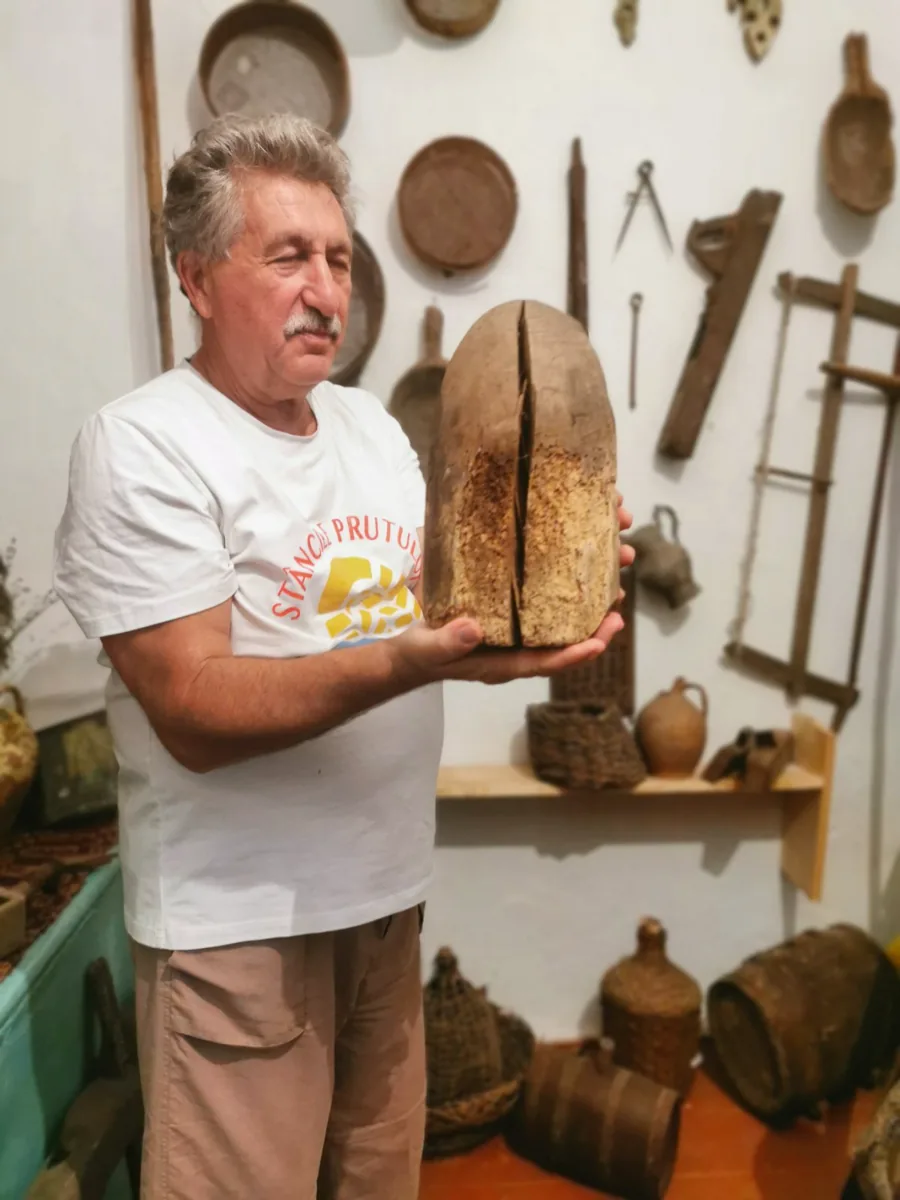
- The complex you see today was built by Nicolae Moscalu, the host at Hanul Cu Noroc and director of the „Moștenitorii” association. He carried the project through, and he is the one who takes you round the rooms.
- Almost all the fossils come from the cave and the gorge beside the village, from layers up to 300,000 years old. The rest of the collection was gathered by villagers over more than twenty years.
- There are four things to see under the same roof: the palaeontology, the archaeology, the ethnographic room and the gallery of glass icons.
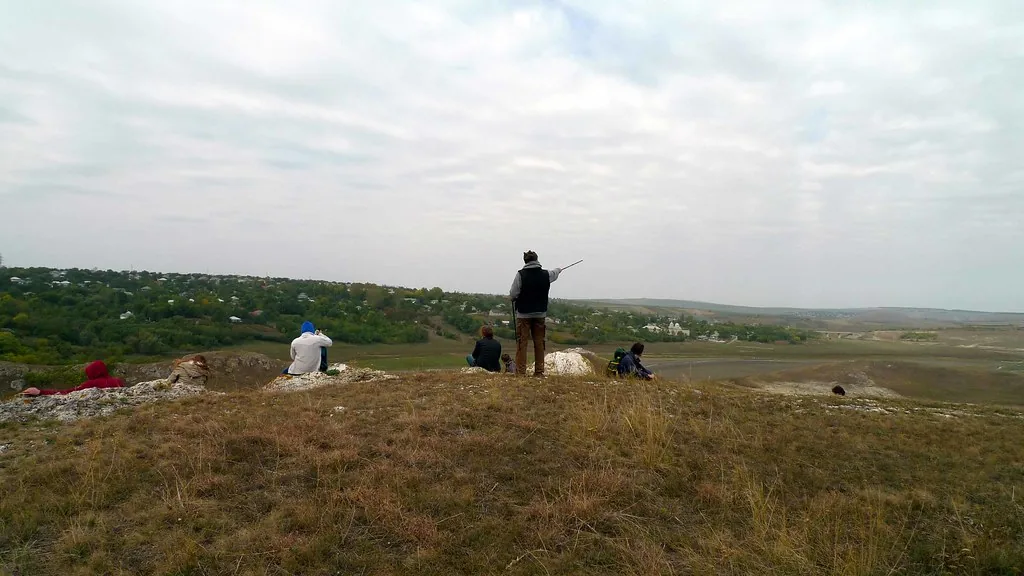
- It is visited with a guide, together with the cave and the gorge: 500 lei for a group of up to 10 people, 800 lei for 11 or more. A 15 minute walk from Hanul Cu Noroc.
Why a paleontology museum exists in a village
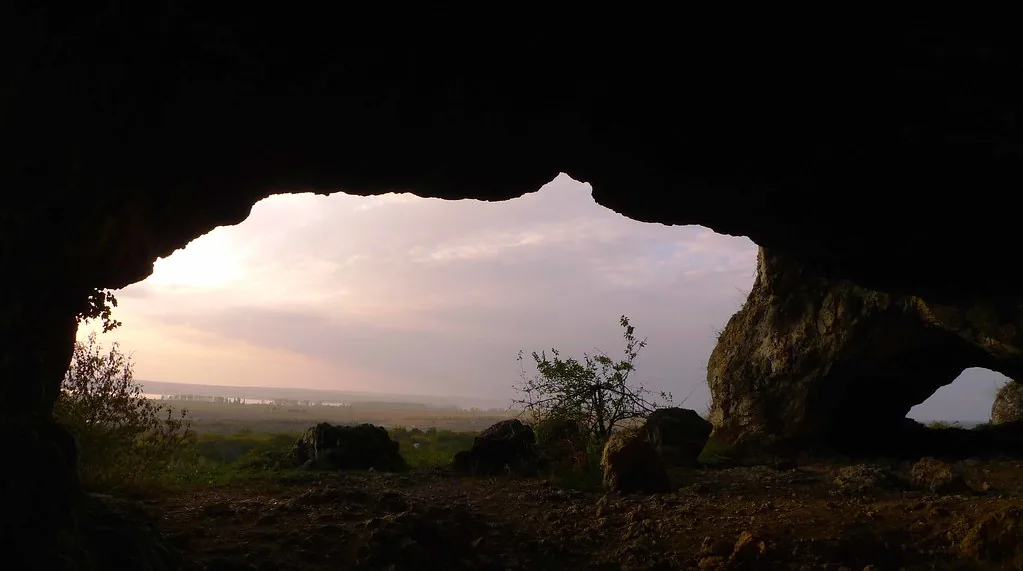
Because the village sits on the oldest known place of human habitation in the Republic of Moldova. The Duruitoarea Veche cave, next to the village, was reported in 1958 by the archaeologist Nicolae Chetraru and dug intermittently until 1973. About 20,000 bone remainscame out of it, nearly 10,000 of them from the second layer alone, in which 54 mammal species and 29 bird specieswere identified, along with tools of flint, antler and bone.
Some of the larger pieces went to Chisinau, into the collections of the Academy of Sciences and of the National Museum of History of Moldova. A few others are at the museum of the lyceum in Costesti. The rest, together with everything the villagers found over the years while ploughing or digging foundations, stayed here.
What you see inside
The museum has four parts that build on each other, and they are worth taking in this order.
The bones
These are animals that have long since vanished from the hills around: mammoths, cave bears, woolly rhinoceroses, wild horses, bison, reindeer, deer and beavers. The wild horse is the commonest of them all, with nearly five thousand bones found in the second layer alone.
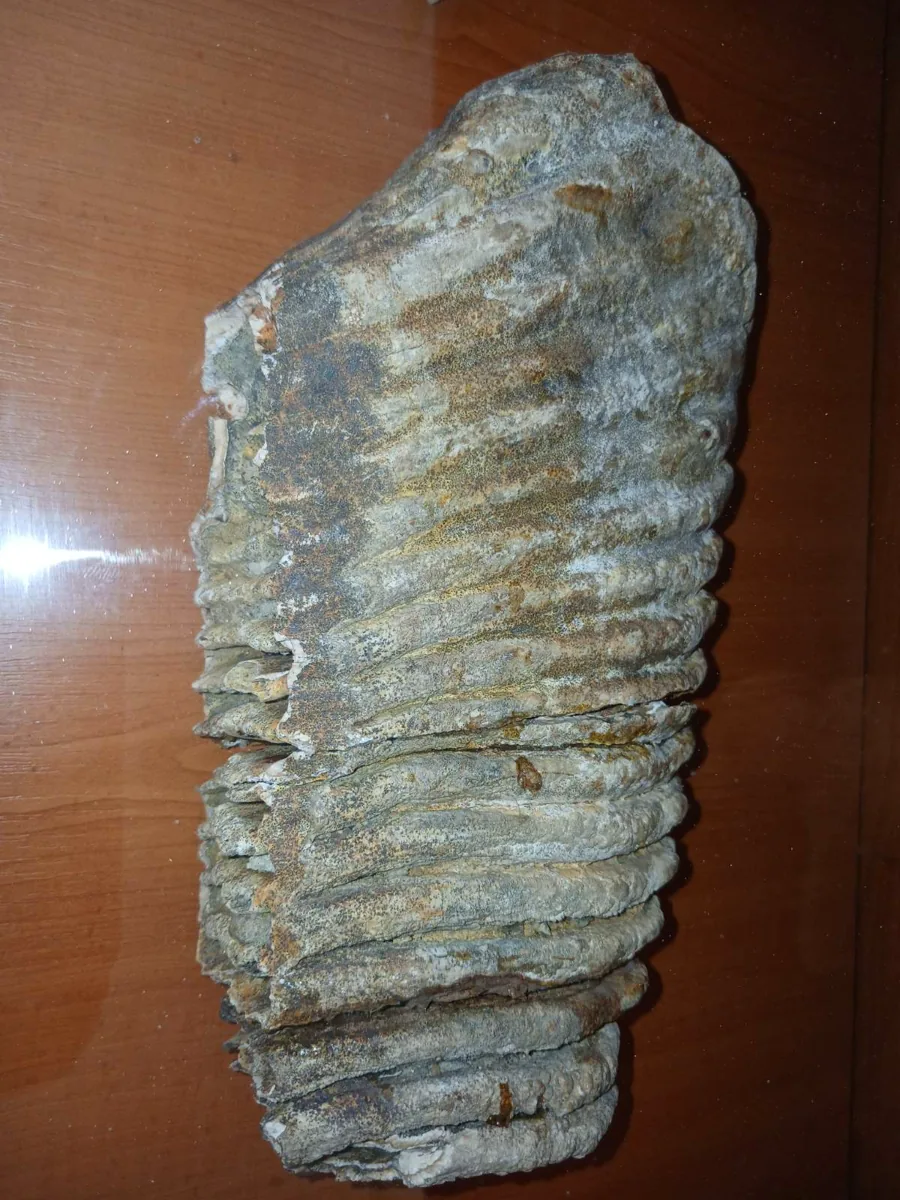
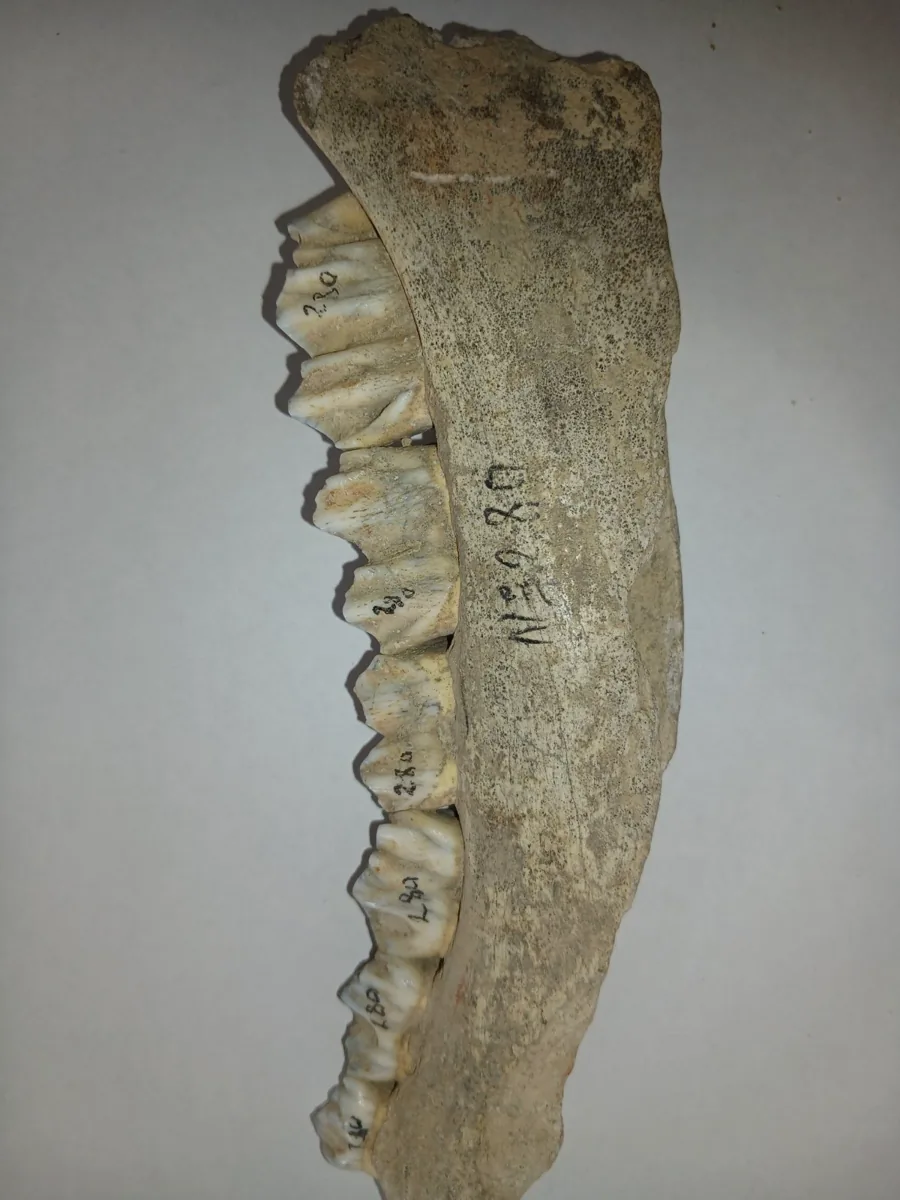
The most striking piece in the room is not the largest one, but a whole lower jaw of a giant deer, with all its teeth in place. The giant deer had antlers more than three metres across and disappeared from Europe some seven thousand years ago.
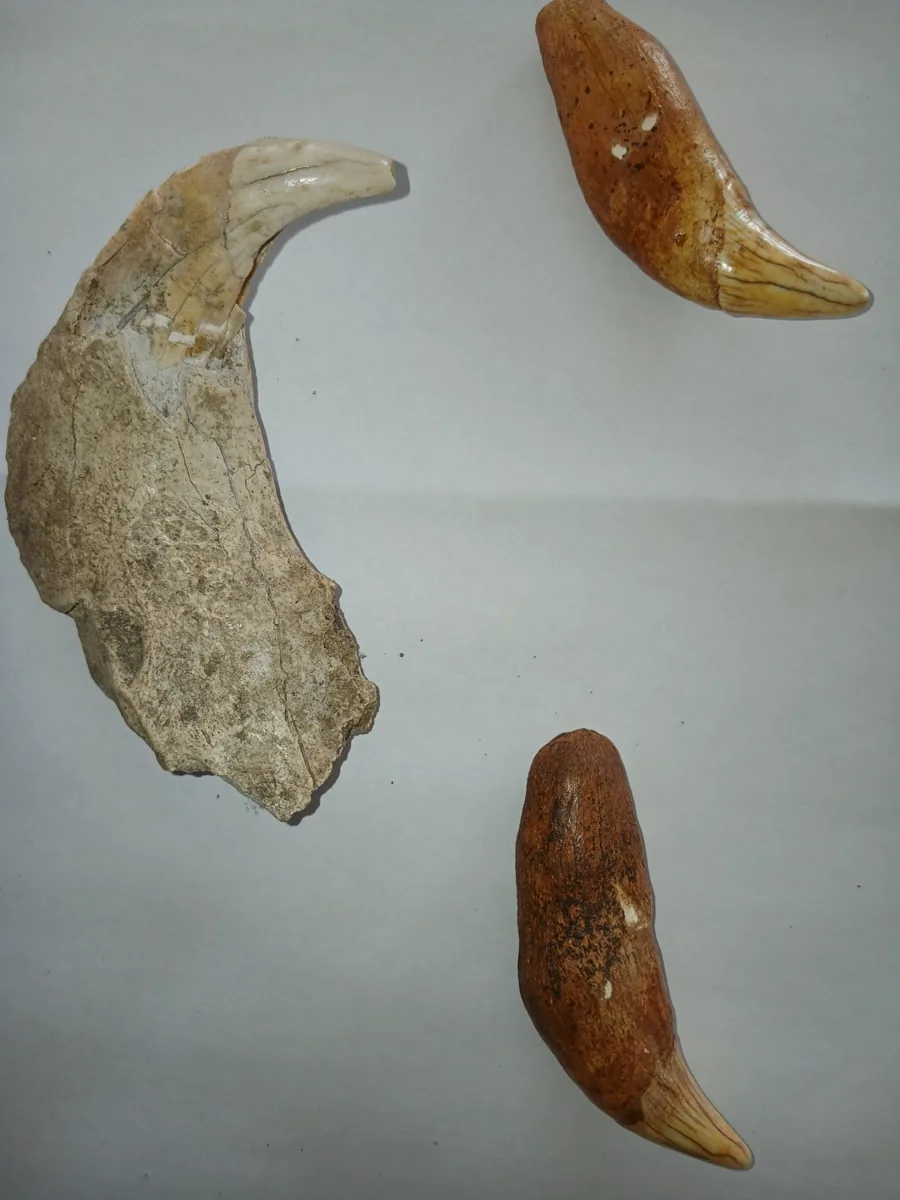
The cave bear is recognised by its canines. They were large animals, up to a tonne, that wintered in the very grottoes of the gorge, and people and bears used the same shelters in turn, thousands of years apart.
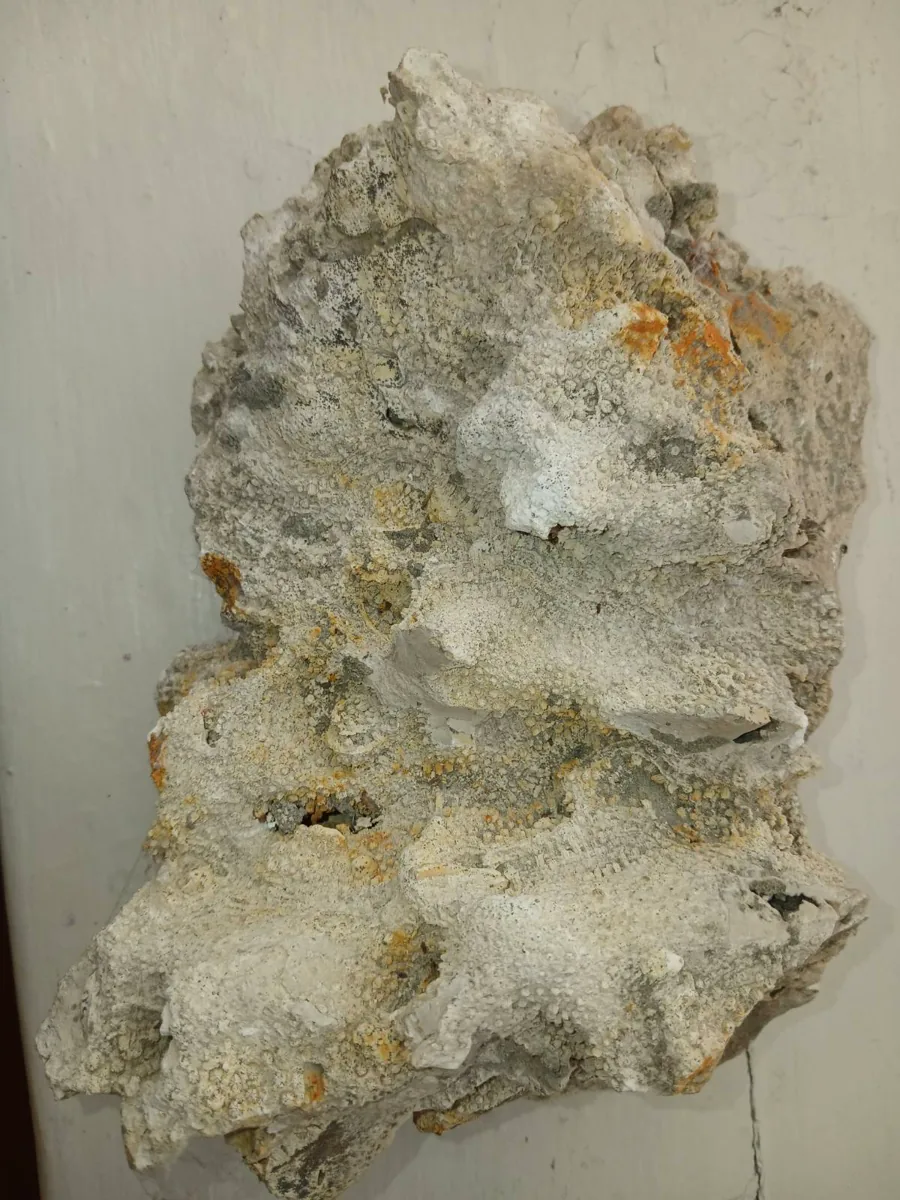
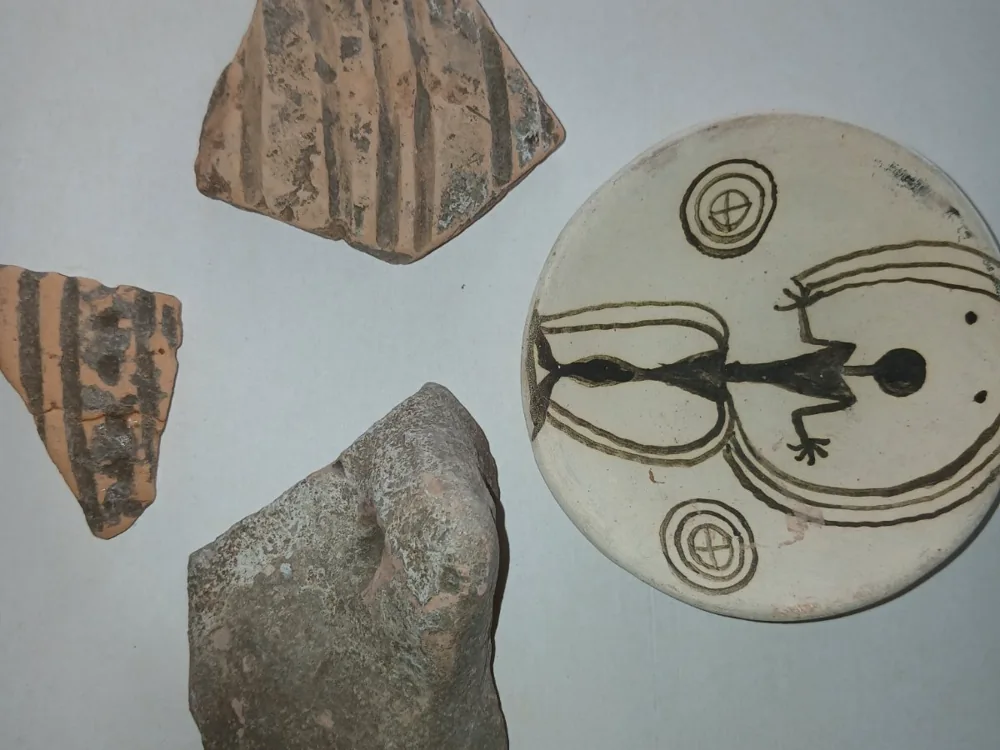
In one corner of the room stands a block of stone that looks like a piece of petrified sponge. It is a fossil coral reef, that is the wall of a reef that grew in a warm sea about ten to twenty million years ago. The same reef makes up the toltre you see coming out of the hills, all the way between the village and the Prut.
The potsherds
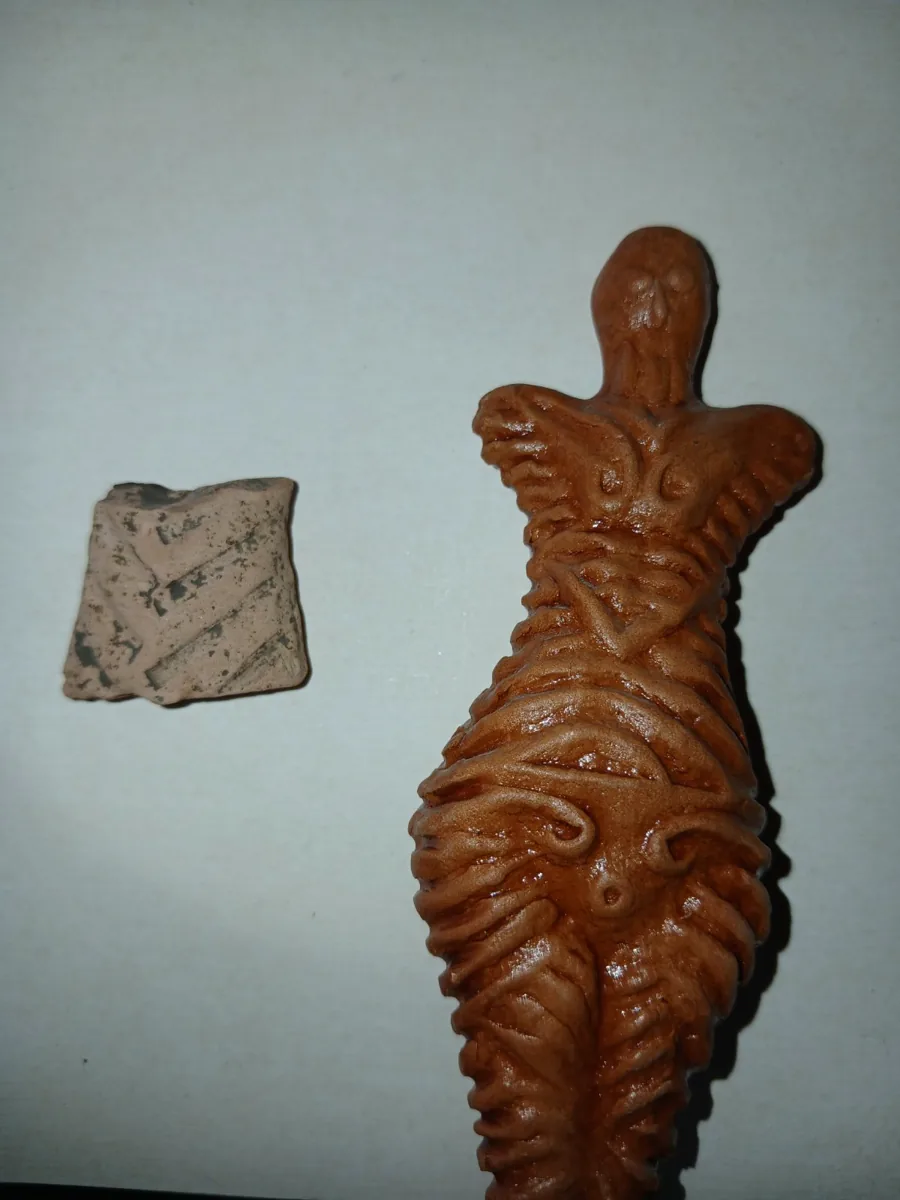
The archaeology section skips over hundreds of thousands of years and arrives at the Cucuteni culture, that is the fifth to the third millennium BC. From then come the fired clay figurines and the sherds painted with spirals, found within the village boundary itself.
Next comes a case of tools and ornaments from the third and fourth centuries AD, from the period archaeologists call Santana de Mures and Chernyakhov. A cemetery from the same period was excavated two kilometres from here, at Proscureni.
The house
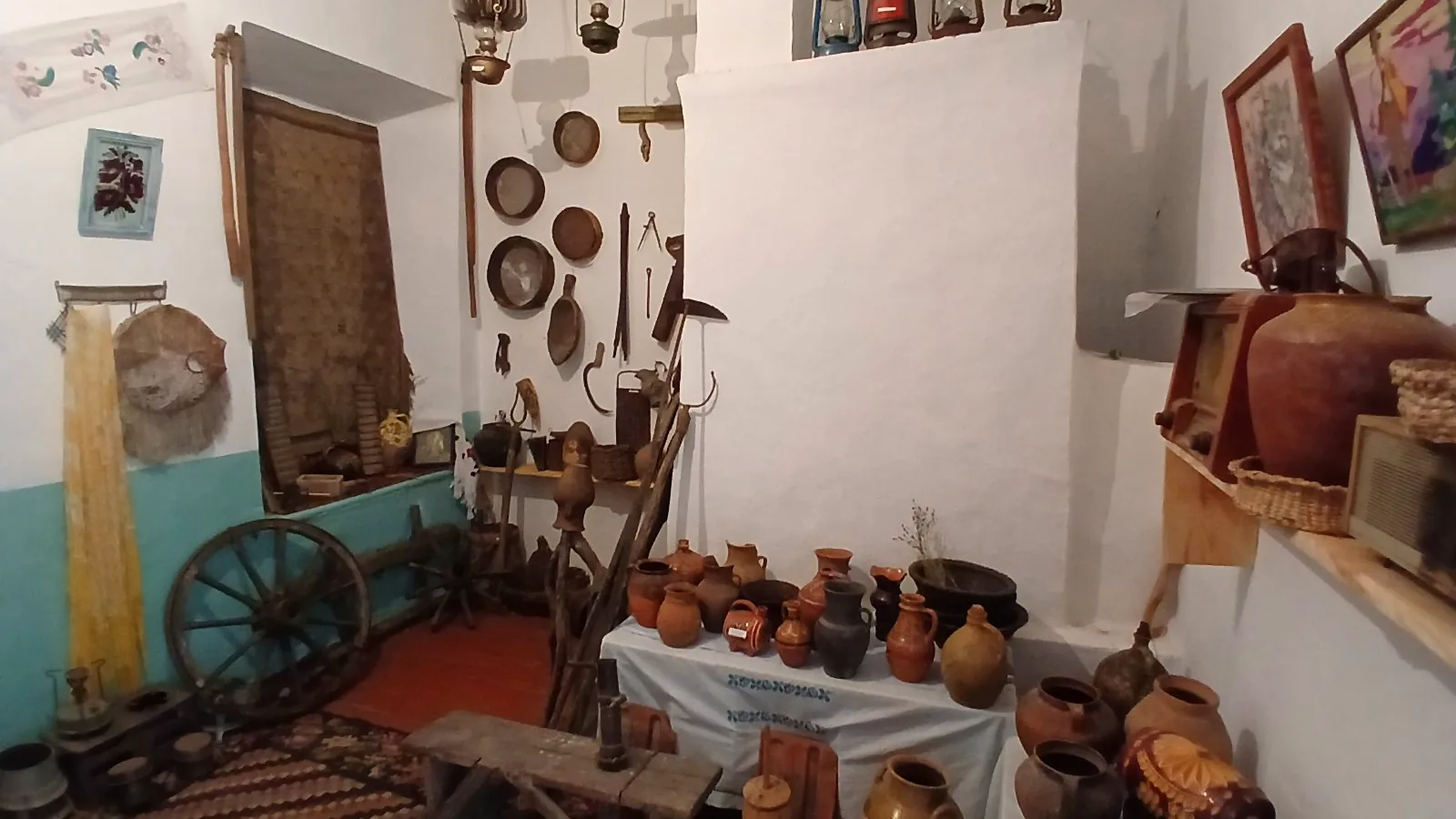
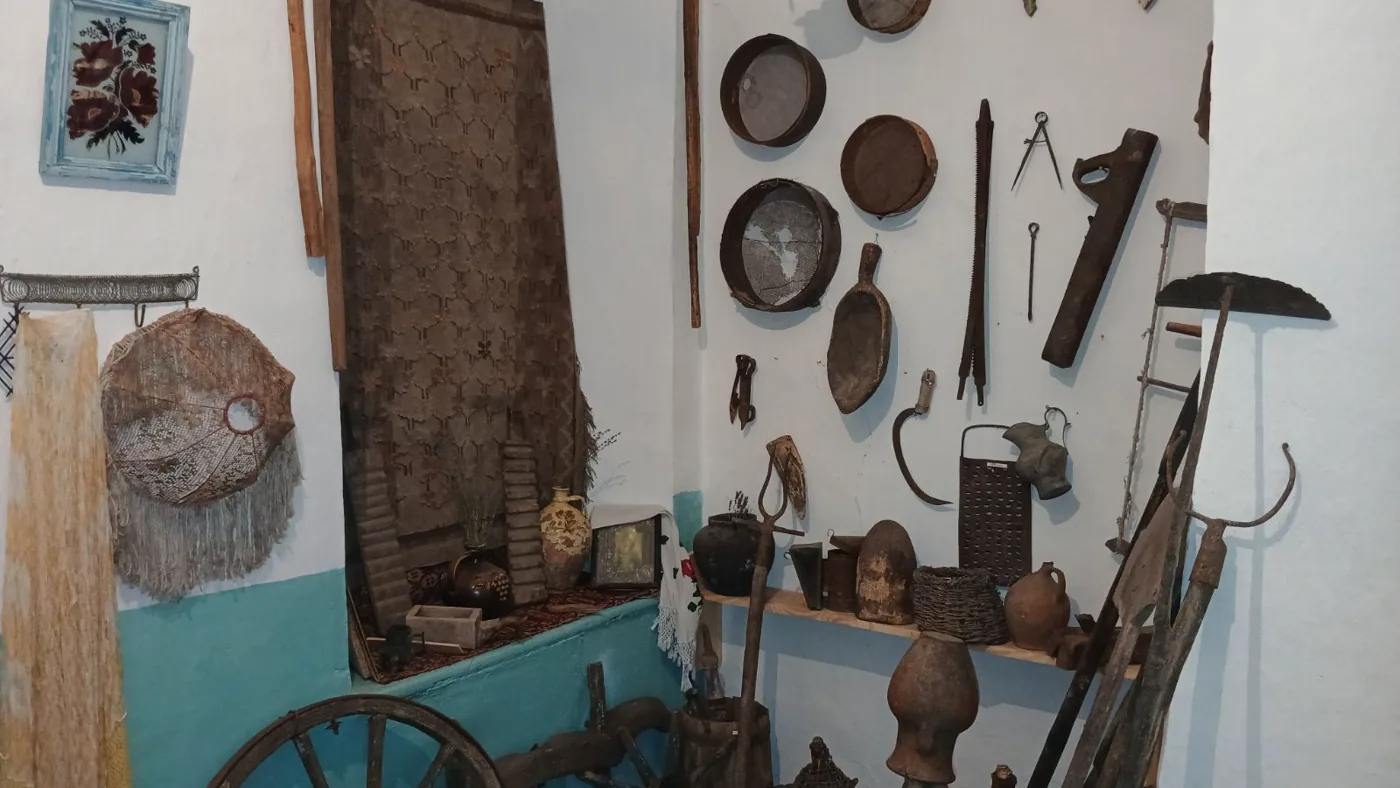
The ethnographic room is the other half of the story, that is, what happened in this valley once the ice melted. There are woven towels, clay pots, wooden tools, a cart wheel, a period sofa and a folk costume. Almost every object was donated by someone from the village, and the guide tells you by whom.
The icons
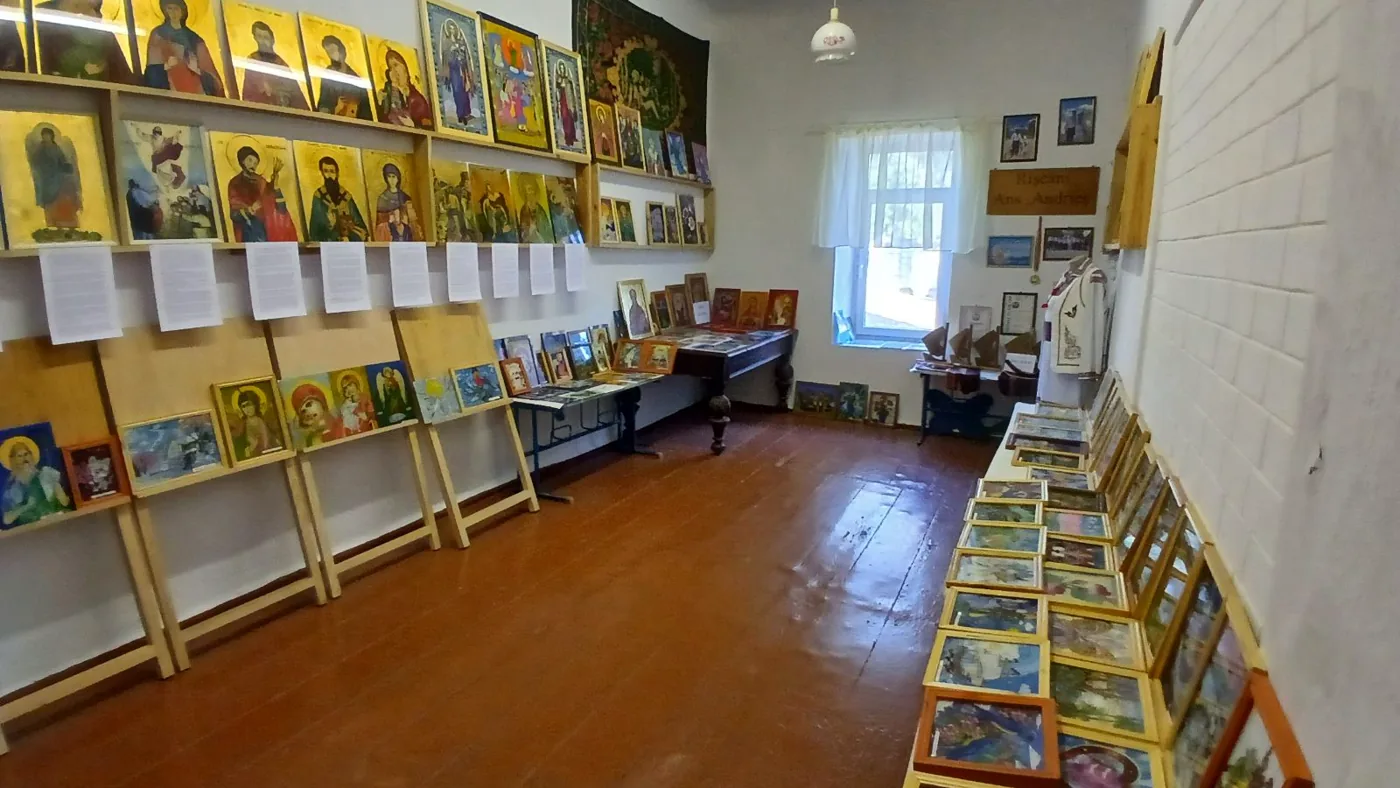
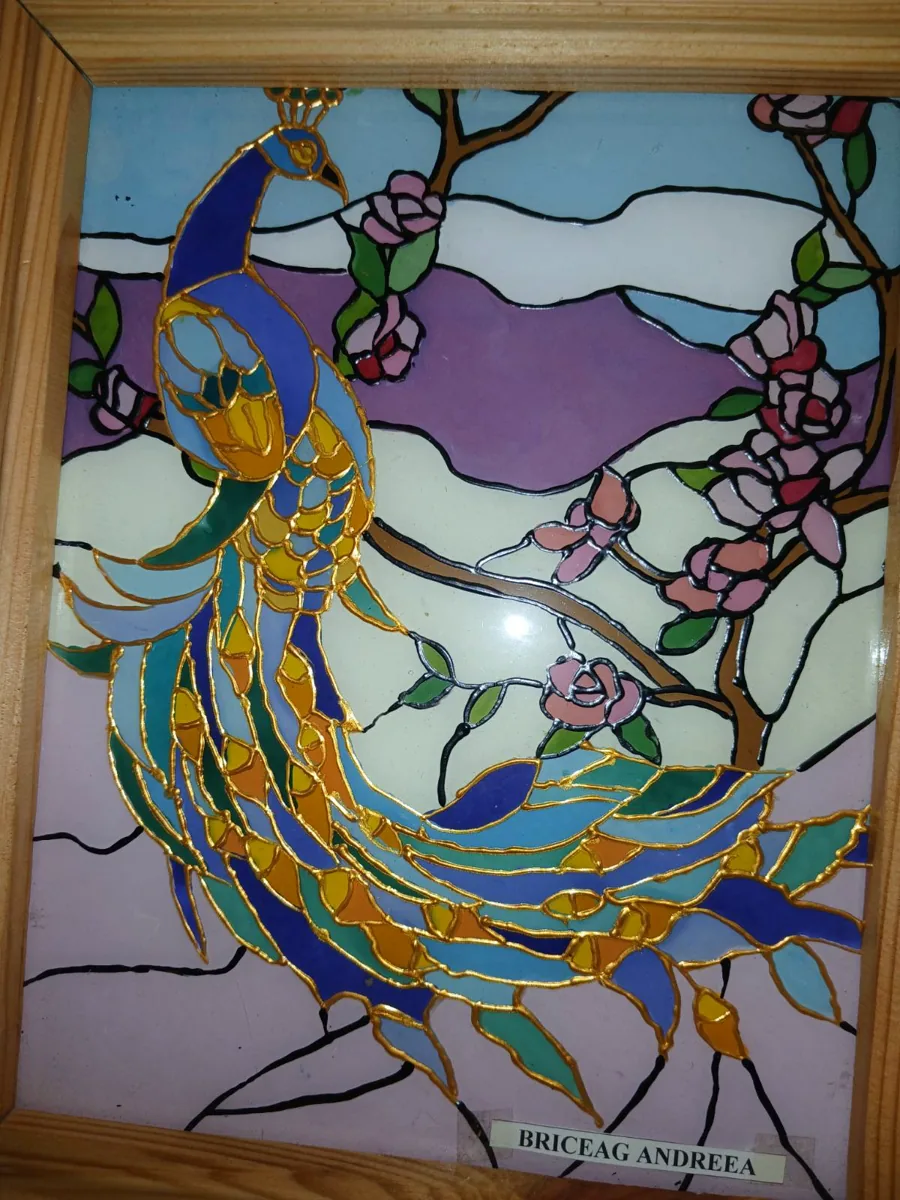
The last room surprises everyone, because it fits nothing you have seen up to that point. It is a gallery of icons and paintings on glass, made in the village painting circle. There are dozens of works on the walls and on easels, signed by children, alongside a few genuinely old icons gathered from people's houses.
The tooth that went to Moscow and never came back
The most important discovery ever made at Duruitoarea Veche is not in the museum, nor in any other museum. Nobody knows where it is.
In the second layer of the cave a fragment of a human jaw with six molarswas found, well preserved. That is all that remains of someone who lived, hunted and died in this valley. From that jaw, anthropologists could tell who he was, what he ate and what he looked like.
In 1960 the piece was sent to Moscow, to Professor Yakov Roginsky, head of the anthropology department at the university there, for laboratory analysis. No word about it has come since. All that remains is a black and white photograph, published in the monograph on the site. The researchers who wrote it, Chetraru among them, the man who found the cave, write that its fate „remains a mystery”.
Who made it
The village museum was set up by people from the community, among them the mayor Dragos Paniru and Raisa Tomuz, and it opened in 2010. It was not a project with a large budget, but a collection that grew out of what people brought, gathered over more than twenty years from the villages of seven northern districts.
The museum you see today, however, comes from 2016 and 2017. That is when Nicolae Moscalu, the host at Hanul Cu Noroc and director of the „Moștenitorii” public association in Balti, carried through the project „Renașterea istoriei”, in the CHOICE programme, funded by the European Union, with a budget of about 20,000 euros. That is when the exhibition on prehistoric people appeared, and the museum, the cave and the gorge were tied into a single route, opened on 14 June 2017. Researchers from the Academy of Sciences worked on the palaeontological part: Anatolie David, Viorica Pascari and Theodor Obada.
At the opening, Nicolae said the idea was to bring the cave back to life and to make a model for other villages that have a heritage and do not know what to do with it.
That also explains the tone of the place. It is not a museum that lectures you from above, but one where Nicolae shows you a piece and tells you which hill it came from.
Visit it before the cave, not after
This is the most useful piece of advice for the day. If you go straight to the gorge, you see a handsome cliff with a hole in it, and not much more. Once you have seen in the cases what came out of those layers, that is, the teeth, the tools and the bones, you look at the limestone wall differently. You know at what depth each thing was found and why it matters.
The museum and the cave are close to each other, so you can see both in the same morning.
Practical
- Where: in the village of Duruitoarea Veche, in the building of the former primary school, a 15 minute walk from Hanul Cu Noroc.
- With a guide: the tour covering the museum, the cave and the gorge costs 500 lei for a group of up to 10 people and 800 lei for 11 or more.
- How long it takes: the museum alone, between 45 and 60 minutes. With the cave and the gorge, between three and four hours.
- The opening hours are not fixed, as they are at large museums. Tell us in advance and we will arrange it. Write to us on WhatsApp at +373 798 48 077.
Frequently asked questions
What is the museum in Duruitoarea Veche?
It is the village museum of Duruitoarea Veche, Riscani district, opened in 2010 and extended in 2017 by Nicolae Moscalu, through the „Moștenitorii” association, into the Duruitoarea Veche museum complex, which takes in the museum, the cave and the gorge. It has a palaeontology section with fossils taken from the cave beside the village, an archaeology section, an ethnographic room and a gallery of icons on glass.
What can you see in the museum?
Bones of mammoth, cave bear, woolly rhinoceros, wild horse, bison, reindeer, giant deer and beaver, all from the cave and the gorge beside the village. Tools of flint, antler and bone. Figurines and pottery of the Cucuteni culture, that is the fifth to the third millennium BC. An ethnographic room and a gallery of glass icons, made in the village painting circle.
What does a visit to the museum cost?
The guided tour covering the museum, the cave and the Duruitoarea gorge costs 500 lei for a group of up to 10 people and 800 lei for 11 or more. It is arranged through the Hanul Cu Noroc guesthouse, at +373 798 48 077.
How long does the visit take?
The museum alone, between 45 and 60 minutes. Together with the cave and the gorge, between three and four hours. We recommend seeing the museum first and the cave afterwards, because once you have seen what came out of the layers you look at the gorge differently.
Where is it in relation to the guesthouse?
A 15 minute walk from Hanul Cu Noroc, in the same village, in the building of the former primary school. The cave and the gorge are next to the museum, so you can see them the same morning.
How old are the exhibits?
The oldest come from the lower layers of the cave, dated by researchers to between 300,000 and 180,000 years. The Cucuteni pottery and figurines are far more recent, from the fifth to the third millennium BC, and the objects in the ethnographic room are between fifty and a hundred and fifty years old.
Sources
- Anisyutkin N. K., Chetraru N. A., Kovalenko S. I., The multilayered Palaeolithic site in the Duruitoarea Veche cave, St Petersburg, 2017. This gives the dating of the layers, the number of bone remains, the species list and the story of the jaw sent to Professor Roginsky in 1960. archeo.ru
- The National Archaeological Agency. This gives the year the cave was reported, 1958, and the period of the research. ana.md
- The National Museum of History of Moldova, for the pieces in the Chisinau collections. nationalmuseum.md
- The „Moștenitorii” Public Association, Balti, for the „Renașterea istoriei” project and the CHOICE programme. Nicolae Moscalu’s role as director of the association, the budget and the opening date are confirmed by the Congress of Local Authorities of Moldova. aomostenitorii.wordpress.com, calm.md
- The rest of the figures about the cave have their sources cited in the article on the Duruitoarea Veche cave. The names of the founders of the village museum come from Adrian Musteata's photographic archive.

We will arrange your guided visit
The museum has no fixed opening hours and is visited with Nicolae. Tell us a day in advance when you want to go and we will arrange it.
A guesthouse in Duruitoarea Veche, Riscani district. 9 rooms and 36 beds, 100 metres from Lake Costesti-Stanca. Open from May through October.
Phone and WhatsApp: +373 798 48 077